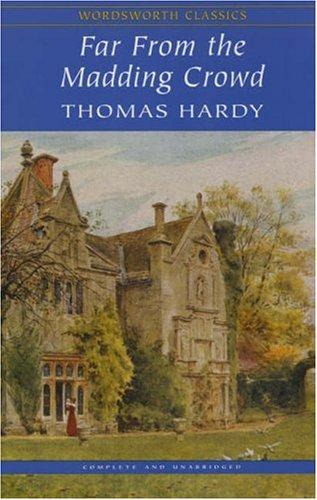
Far from the Madding Crowd
Thomas Hardy (1874)
“Three men love one woman in Hardy's Wessex — and each offers a different vision of what love demands, destroys, and endures.”
At a Glance
Bathsheba Everdene, a beautiful and fiercely independent young woman, inherits a farm in Wessex and finds herself courted by three very different men: Gabriel Oak, a steadfast shepherd who loves her without conditions; William Boldwood, a prosperous gentleman farmer driven to obsession by a careless valentine; and Sergeant Francis Troy, a dashing soldier whose passionate charm conceals recklessness and cruelty. Troy marries Bathsheba, squanders her fortune, and disappears after the death of Fanny Robin — the woman he truly loved. When Troy returns and Boldwood shoots him dead, only Oak remains. Bathsheba, humbled and matured, finally recognizes the quiet, enduring love she had dismissed from the start.
Read full summary →Why This Book Matters
Far from the Madding Crowd was Hardy's breakthrough — the novel that established him as a major Victorian writer and invented Wessex as a literary landscape. Serialized in the Cornhill Magazine (edited by Leslie Stephen, Virginia Woolf's father), it reached a wide audience and demonstrated that rural life could sustain serious literary fiction. Bathsheba Everdene remains one of English literature's great female characters — independent, flawed, resilient, and permitted to grow. The novel pioneered the integration of landscape and psychology that would define Hardy's subsequent masterpieces.
Diction Profile
Elevated Victorian prose mixed with Wessex dialect in dialogue — the narrator is literary and philosophical while the farmworkers speak in rich regional vernacular
Moderate to high