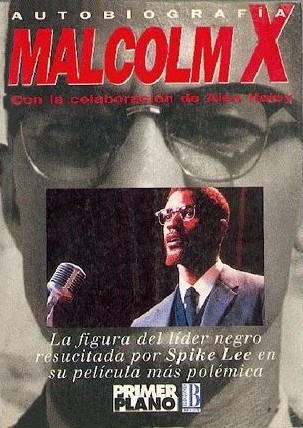
The Autobiography of Malcolm X
Malcolm X and Alex Haley (1965)
“The most radical act of self-invention in American literature — a man who remade himself four times and was killed before he could finish the fifth.”
Similar Books
Thematic connections across eras and genres — books that talk to each other.
Narrative of the Life of Frederick Douglass
Frederick Douglass
The foundational Black American autobiography of self-liberation — Malcolm's is its twentieth-century counterpart, separated by a century of legal freedom and structural oppression
The Fire Next Time
James Baldwin
Baldwin and Malcolm debated directly — same diagnosis (white supremacy), different prescriptions (love versus separation). Reading them together is reading the central argument of the civil rights era
Black Boy
Richard Wright
Another Black Midwestern childhood autobiography — Wright's hunger and Malcolm's are the same hunger, the same institutional failure, with radically different destinations
The Souls of Black Folk
W.E.B. Du Bois
Du Bois's 'double consciousness' theory provides the intellectual framework for what Malcolm lived — the autobiography is Du Bois's thesis made flesh over fifty years
Between the World and Me
Ta-Nehisi Coates
Coates's 2015 letter to his son is the autobiography's direct descendant — same structural analysis, updated for the era of mass incarceration and police violence
Roots: The Saga of an American Family
Alex Haley
Alex Haley's subsequent masterwork — Roots grew directly from the autobiographical method he developed working with Malcolm. The two books are the most influential African American texts of the twentieth century