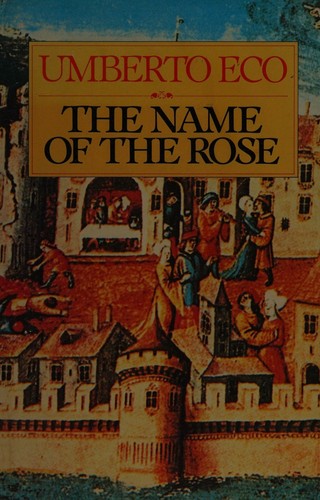
The Name of the Rose
Umberto Eco (1980)
“A medieval murder mystery that uses a monastery's burning library to ask whether knowledge should be controlled — written by the man who invented modern semiotics.”
Characters in The Name of the Rose
by Umberto Eco · 1980 · 7 characters analyzed
Cast: William of Baskerville, Adso of Melk, Jorge of Burgos, Bernard Gui, Ubertino of Casale, The Abbot (Abo), Salvatore.
Character Analysis
An English Franciscan friar whose name encodes his dual nature: William of Ockham (the razor of empirical parsimony) and the Baskervilles (Conan Doyle's detective mythology). William is Sherlock Holmes transplanted to a fourteenth-century monastery, but with a crucial difference: Holmes's deductions restore order, while William's deductions arrive too late to prevent catastrophe. He is a rationalist in an age of faith, an empiricist in an age of authority, and his tragedy is that being right about the mystery does not save a single book or a single life.
Precise, Latinate, logically structured. Uses Ockhamist philosophical vocabulary. Alternates between deductive exposition and Socratic questioning.