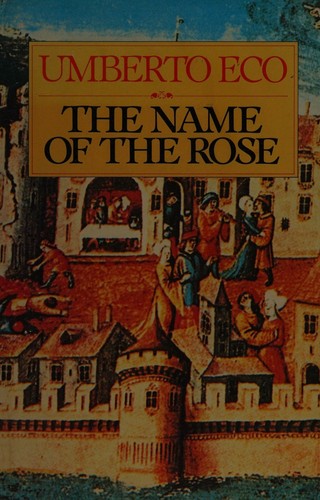
The Name of the Rose
Umberto Eco (1980)
“A medieval murder mystery that uses a monastery's burning library to ask whether knowledge should be controlled — written by the man who invented modern semiotics.”
Why This Book Matters
The Name of the Rose proved that a novel drenched in medieval philosophy, Scholastic theology, and semiotic theory could become a global bestseller. It sold over fifty million copies and single-handedly created the genre of the 'intellectual thriller' — a detective story whose real mystery is epistemological. Before Eco, the assumption was that literary theory and popular fiction were incompatible. After Eco, that assumption was permanently retired.
Firsts & Innovations
First novel to successfully dramatize semiotic theory as a detective plot — proving that academic philosophy could drive a page-turning narrative
Pioneered the 'postmodern historical novel' — fiction that reconstructs a historical period while simultaneously interrogating the impossibility of historical reconstruction
Created the template for the 'intellectual thriller' that Dan Brown, Arturo Perez-Reverte, and dozens of others would follow
Cultural Impact
Adapted into a 1986 film starring Sean Connery as William — commercially successful but necessarily simplified
Sparked a global revival of interest in medieval history and monastic culture among general readers
The phrase 'the name of the rose' entered literary vocabulary as shorthand for the gap between sign and referent
Legitimized postmodern fiction for mainstream audiences who would never read Derrida or Barthes
Influenced an entire generation of historical mystery novelists, from Iain Pears to Carlos Ruiz Zafon
Banned & Challenged
Not formally banned, but challenged in some Catholic educational contexts for its depictions of monastic sexual activity, its unflattering portrait of the medieval Inquisition, and its suggestion that the Church systematically suppressed knowledge. The novel's treatment of heresy as a legitimate intellectual position rather than a moral failing made it controversial in conservative religious circles.