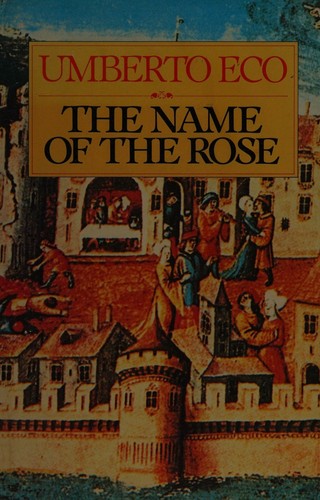
The Name of the Rose
Umberto Eco (1980)
“A medieval murder mystery that uses a monastery's burning library to ask whether knowledge should be controlled — written by the man who invented modern semiotics.”
Similar Books
Thematic connections across eras and genres — books that talk to each other.
The Library of Babel (Ficciones)
Jorge Luis Borges
The direct ancestor — Borges's infinite library and labyrinthine epistemology are the foundations Eco builds on, then politicizes
Foucault's Pendulum
Umberto Eco
Eco's second novel extends the semiotic paranoia: if everything is a sign, then every conspiracy theory is equally plausible and equally empty
The Hound of the Baskervilles
Arthur Conan Doyle
The explicit detective template — William IS Holmes, Adso IS Watson, but Eco's version dismantles the genre's promise that reason restores order
Blindness
Jose Saramago
Another allegory of institutional collapse and the fragility of civilization, told through sensory deprivation rather than intellectual labyrinth
The Magic Mountain
Thomas Mann
The great precedent for the intellectual novel — an enclosed institution where ideas are dramatized through character, debate, and claustrophobic setting
If on a winter's night a traveler
Italo Calvino
A fellow Italian postmodernist's meditation on reading, textuality, and the impossibility of reaching the 'original' text — Eco's neighbor in spirit