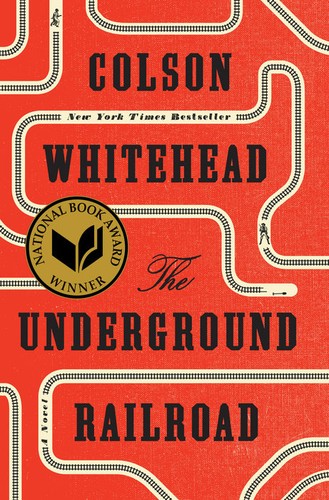
The Underground Railroad
Colson Whitehead (2016)
“America reimagined as a series of nightmares — each state a different way the same country has always found to destroy Black lives.”
Why This Book Matters
Won both the Pulitzer Prize and the National Book Award in 2016 — only the second novel in history to win both simultaneously (after The Color Purple). Became one of the most discussed American novels of the decade, debated as both a work of literary art and a political document. Amazon adapted it as a 10-episode series directed by Barry Jenkins in 2021. Regularly cited in discussions of the neo-slave narrative and of how fiction can address history that nonfiction cannot fully contain.
Firsts & Innovations
One of the first novels to literalize the Underground Railroad metaphor — treating the known metaphor as a real physical infrastructure
The second novel to win both the Pulitzer Prize and National Book Award in the same year
Pioneered the 'state-as-chapter' structure as a way of mapping American racial geography across time
Cultural Impact
Reignited academic and popular debate about the neo-slave narrative as a contemporary genre
Barry Jenkins's Amazon adaptation (2021) introduced the novel to a global streaming audience
Widely assigned in AP English and college courses as a contemporary counterpart to Beloved and Narrative of the Life of Frederick Douglass
Named to numerous 'best novels of the decade' lists for the 2010s
The conceit of the literal Railroad has been cited as a model for how magical realism can serve historical argument rather than escapism
Banned & Challenged
Challenged in several school districts for graphic depictions of slavery, violence, and racial terror. Supporters argue that the graphic content is the point — sanitizing the novel would sanitize the history. The debate about the book in schools often mirrors the debate the book itself stages: who decides what is too difficult to see?