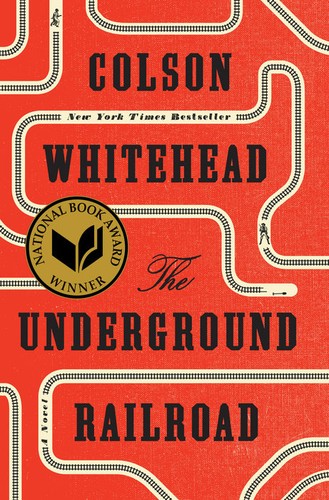
The Underground Railroad
Colson Whitehead (2016)
“America reimagined as a series of nightmares — each state a different way the same country has always found to destroy Black lives.”
Similar Books
Thematic connections across eras and genres — books that talk to each other.
Beloved
Toni Morrison
The defining predecessor of the neo-slave narrative — where Morrison uses haunting and hallucinatory prose, Whitehead uses architectural restraint; both are essential
Narrative of the Life of Frederick Douglass
Frederick Douglass
The original American freedom narrative that Whitehead is in explicit conversation with — Douglass's first-person testimony versus Whitehead's third-person compression
The Nickel Boys
Colson Whitehead
Whitehead's second Pulitzer-winner — a different mode (realistic, no magical conceit) applied to the real-world Dozier School for Boys, and if anything more devastating for the restraint
Kindred
Octavia Butler
Another genre-crossing neo-slave narrative with a speculative conceit (time travel rather than literal railroad) used to put a contemporary Black person inside the physical reality of slavery
Twelve Years a Slave
Solomon Northup
The nineteenth-century source document — the real first-person account of kidnapping and slavery that the fictional tradition Whitehead works in descended from
The Water Dancer
Ta-Nehisi Coates
Another contemporary neo-slave narrative with a magical-realist conceit — published three years after The Underground Railroad, clearly in its shadow, and a useful comparison for what the conceit can and can't do