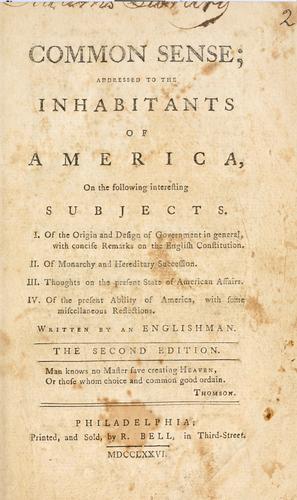
Common Sense
Thomas Paine (1776)
“A broke, self-taught immigrant writes 48 pages that convince an entire continent to declare independence — and publishes them anonymously because the argument matters more than the author.”
Characters in Common Sense
by Thomas Paine · 1776 · 5 characters analyzed
Cast: Thomas Paine (Author/Narrator), King George III, William the Conqueror, Benjamin Franklin, The American Colonist (Composite Reader).
Character Analysis
Paine deliberately erased himself from Common Sense, publishing anonymously and writing in the first person plural. This was not modesty — it was the pamphlet's most radical rhetorical move. By removing the author, Paine made the argument appear to be common sense itself rather than one man's polemic. The 'we' that speaks throughout is not Thomas Paine; it is the collective voice of rational humanity. This erasure gave the pamphlet its universality and made it impossible to dismiss as the opinion of a single malcontent. When the authorship was later revealed, it changed nothing — the argument had already been adopted as the reader's own.