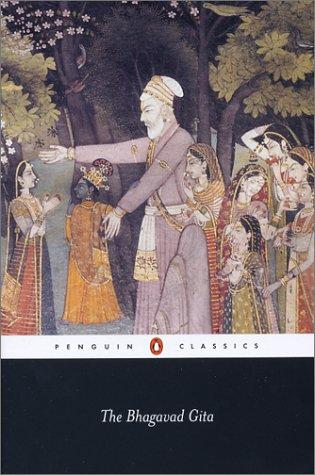
The Bhagavad Gita
Traditional (attributed to Vyasa, part of the Mahabharata) (-300)
“A warrior refuses to fight. A god explains why he must. Seven hundred verses that shaped how billions understand duty, death, and the meaning of action.”
Characters in The Bhagavad Gita
by Traditional (attributed to Vyasa, part of the Mahabharata) · -300 · 4 characters analyzed
Cast: Krishna, Arjuna, Sanjaya, Dhritarashtra.
Character Analysis
Krishna functions on three levels simultaneously: he is Arjuna's friend and charioteer, the philosophical teacher who delivers the Gita's argument, and the Supreme Being who reveals the terrifying Universal Form. The Gita's theology requires all three — the accessible friend, the comprehensible teacher, and the incomprehensible divine — and Krishna moves between them without contradiction. His final instruction to surrender is not the command of a tyrant but the invitation of a friend who happens to also be God.
Authoritative, intimate, and versatile — shifts from philosophical argument to cosmic declaration to tender personal address within single chapters.