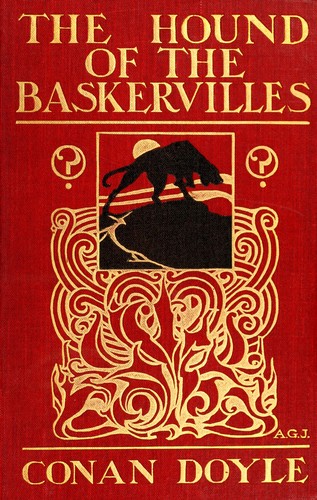
The Hound of the Baskervilles
Arthur Conan Doyle (1902)
“A spectral hound haunts an aristocratic family on the Devon moors -- and Sherlock Holmes must decide whether the danger is supernatural or terrifyingly human.”
Similar Books
Thematic connections across eras and genres — books that talk to each other.
Dracula
Bram Stoker
Published five years earlier (1897), Dracula is the Gothic novel that The Hound responds to -- same rational-vs-supernatural tension, but Stoker lets the supernatural win
The Moonstone
Wilkie Collins
The first English detective novel (1868) -- multiple narrators, a cursed gem, and landscape (the Shivering Sand) as moral force. Doyle inherited Collins' architecture.
The Turn of the Screw
Henry James
Published 1898 -- another Victorian Gothic where the reader must decide: supernatural or psychological? James refuses to answer. Doyle answers definitively. Compare the two approaches.
The Sign of the Four
Arthur Conan Doyle
The second Holmes novel -- introduces Watson's narrative voice and the colonial-treasure plot. Read alongside Hound to see how Doyle's technique evolved in thirteen years.
And Then There Were None
Agatha Christie
Christie's island mystery owes a direct debt to Doyle's moor -- isolated setting, accumulating dread, and a killer hiding in plain sight among the characters.
The Name of the Rose
Umberto Eco
A medieval Holmes (William of Baskerville -- the name is deliberate) investigates murders in a monastery. Eco's homage explores the same tension between reason and faith.