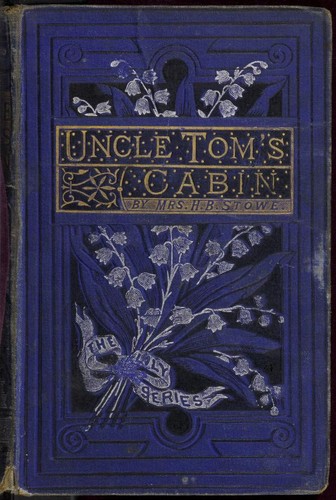
Uncle Tom's Cabin
Harriet Beecher Stowe (1852)
“The novel that Abraham Lincoln supposedly said started the Civil War — a sentimental masterpiece that weaponized empathy to dismantle the moral foundations of American slavery.”
Characters in Uncle Tom's Cabin
by Harriet Beecher Stowe · 1852 · 9 characters analyzed
Cast: Uncle Tom, Eliza Harris, George Harris, Eva St. Clare (Little Eva), Augustine St. Clare, Simon Legree, Topsy, Miss Ophelia, Cassy.
Character Analysis
The most consequential and most controversial character in American fiction. Stowe intended Tom as the highest expression of Christian heroism — a man whose faith, love, and moral courage make him superior to every white character in the novel. He is physically strong, intellectually capable, and spiritually unshakeable. His refusal to betray Cassy and Emmeline is an act of defiance, not submission. But the image of a Black man who endures suffering, forgives his oppressors, and dies a martyr's death has been reinterpreted — particularly after the minstrel-show 'Tom shows' stripped away his dignity — as a model of racial subservience. The pejorative 'Uncle Tom' inverts everything Stowe intended, but the inversion reveals a real limitation: Stowe could only imagine Black heroism through the lens of Christian martyrdom.
Heavy dialect rendered phonetically — 'Mas'r,' 'an't,' 'ye.' Increasingly biblical as the novel progresses, drawing directly on King James Version cadences.