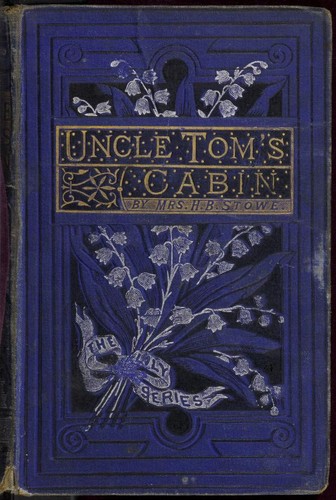
Uncle Tom's Cabin
Harriet Beecher Stowe (1852)
“The novel that Abraham Lincoln supposedly said started the Civil War — a sentimental masterpiece that weaponized empathy to dismantle the moral foundations of American slavery.”
Why This Book Matters
Uncle Tom's Cabin was the bestselling novel of the nineteenth century, outsold only by the Bible in America during the 1850s. It sold 300,000 copies in its first year and over a million copies worldwide by 1853. Abraham Lincoln's reported greeting to Stowe — 'So you're the little woman who wrote the book that started this great war' — is apocryphal but captures a real truth: the novel transformed American public opinion on slavery more effectively than any political speech, sermon, or pamphlet. It was the first American novel to take slavery as its central subject and the first to achieve genuine mass cultural saturation, spawning theatrical adaptations ('Tom shows'), merchandise, songs, and a visual iconography that persisted for decades.
Firsts & Innovations
First American novel to sell over a million copies — established the bestseller as a cultural force
First major work of American fiction to center the experiences of enslaved people, however imperfectly
Pioneered the use of sentimental fiction as deliberate political propaganda — the novel as activist tool
First American novel to generate a significant international political response — influenced British opinion against supporting the Confederacy
Cultural Impact
'Tom shows' — theatrical adaptations — became the most popular form of American entertainment in the late 19th century, often distorted into minstrel performances
The term 'Uncle Tom' entered the language as a pejorative for perceived Black subservience — a meaning Stowe never intended and would have rejected
Directly influenced the political climate that led to the Civil War by converting Northern indifference into anti-slavery sentiment
Generated A Key to Uncle Tom's Cabin (1853), Stowe's documentary defense — one of the first examples of a novelist providing evidence for fiction
Inspired counter-novels by pro-slavery authors ('anti-Tom literature'), demonstrating the novel's political threat
Remains a central text in debates about race, representation, and the politics of empathy in American literature
Banned & Challenged
Banned throughout the antebellum South — possession was a criminal offense in some states. Pro-slavery advocates burned copies and published over thirty 'anti-Tom' novels in response. In the twentieth century, the novel was challenged from the opposite direction: Civil Rights-era critics objected to its racial stereotypes, paternalism, and the 'Uncle Tom' archetype. It remains controversial in classrooms — assigned for its historical importance while requiring careful contextualization of its racial politics.