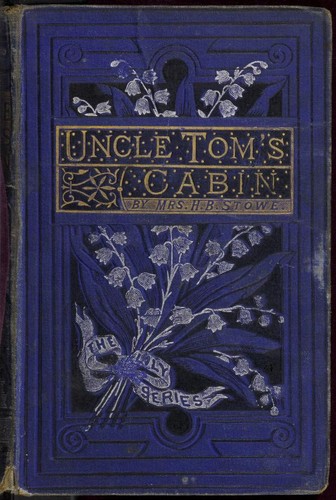
Uncle Tom's Cabin
Harriet Beecher Stowe (1852)
“The novel that Abraham Lincoln supposedly said started the Civil War — a sentimental masterpiece that weaponized empathy to dismantle the moral foundations of American slavery.”
Similar Books
Thematic connections across eras and genres — books that talk to each other.
Narrative of the Life of Frederick Douglass
Frederick Douglass
The enslaved person's own testimony — what Uncle Tom's Cabin tried to represent, Douglass lived and wrote without white mediation
Beloved
Toni Morrison
Morrison's response to Stowe's legacy — a story of enslaved motherhood told from inside Black consciousness, reclaiming the narrative Stowe could only approximate
The Scarlet Letter
Nathaniel Hawthorne
Same era, opposite method — Hawthorne explores sin through allegory and ambiguity where Stowe attacks it through directness and moral certainty
Another white author wrestling with slavery and race in American fiction — Twain's ironic method and Jim's characterization invite direct comparison with Stowe's sentimentalism and Tom
Incidents in the Life of a Slave Girl
Harriet Jacobs
An enslaved woman's own account of sexual exploitation — the reality behind Stowe's veiled treatment of Cassy and Emmeline
Twelve Years a Slave
Solomon Northup
A free Black man kidnapped into slavery — published the same year as Uncle Tom's Cabin, providing documentary evidence for the horrors Stowe fictionalized