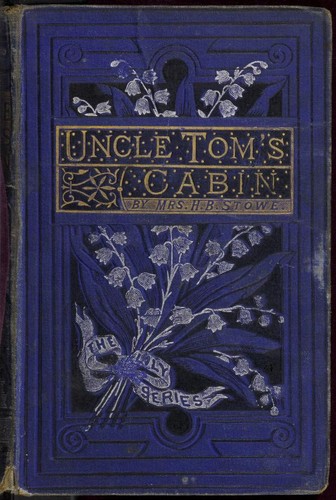
Uncle Tom's Cabin
Harriet Beecher Stowe (1852)
“The novel that Abraham Lincoln supposedly said started the Civil War — a sentimental masterpiece that weaponized empathy to dismantle the moral foundations of American slavery.”
For Students
Because this novel changed the course of American history — literally. No other work of fiction has had a more direct political impact. Reading it teaches you how narrative empathy works as a political weapon, why sentimental fiction was the most powerful literary form of its era, and how a book can be simultaneously revolutionary and deeply flawed in its racial assumptions. It also teaches you to read critically: to identify what an author does well, what they get wrong, and why the gap between intention and impact matters.
For Teachers
Uncle Tom's Cabin is indispensable for courses on American literature, African American studies, the antebellum period, or the politics of representation. It generates productive classroom debates about empathy and its limits, the relationship between good intentions and harmful stereotypes, and the question of who has the right to tell whose story. Pair it with Frederick Douglass's Narrative, James Baldwin's 'Everybody's Protest Novel,' and Toni Morrison's Beloved for a full arc of Black representation in American literature.
Why It Still Matters
The debate Uncle Tom's Cabin started — about whether empathy is sufficient for justice, whether good intentions excuse harmful representations, and whether art can change political reality — is more alive today than ever. Every viral image of suffering, every documentary designed to provoke outrage, every social media campaign built on emotional identification inherits the strategies Stowe pioneered. The novel's failures are as instructive as its successes: it proves that you can genuinely oppose injustice while still being trapped by the assumptions of your own time.