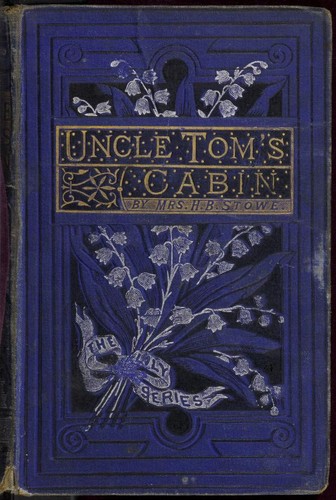
Uncle Tom's Cabin
Harriet Beecher Stowe (1852)
“The novel that Abraham Lincoln supposedly said started the Civil War — a sentimental masterpiece that weaponized empathy to dismantle the moral foundations of American slavery.”
Uncle Tom's Cabin— Summary & Analysis
by Harriet Beecher Stowe · published 1852 · 530 pages · Romantic / Antebellum
A user-friendly study guide for Uncle Tom's Cabin by Harriet Beecher Stowe (1852): a high-level plot summary, full chapter-by-chapter analysis, theme breakdowns, character profiles, and 30 essay questions designed for high-school, ap-english, college readers. Unlike a stock summary, sumsumsum.com adds a diction analysis drawn from Harriet Beecher Stowe’s actual text, the 3 documented AP Literature exam appearances of this book, and reading-difficulty guidance (Easy, 3/10) so students, teachers, and lifelong readers know what they are walking into.
“The novel that Abraham Lincoln supposedly said started the Civil War — a sentimental masterpiece that weaponized empathy to dismantle the moral foundations of American slavery.”
Short Summary
Arthur Shelby, a Kentucky slaveholder in financial trouble, sells two enslaved people: Uncle Tom, a deeply religious middle-aged man, and Harry, the young son of Eliza Harris. Eliza flees north with Harry, eventually reuniting with her husband George and escaping to Canada. Tom is sold down the river — first to the kind but ineffectual Augustine St. Clare in New Orleans, where he bonds with the angelic child Eva, then after Eva's and St. Clare's deaths to the brutal Simon Legree on a Louisiana cotton plantation. Tom refuses to betray two escaped women and is beaten to death by Legree's overseers, dying as a Christian martyr. George Shelby arrives too late to save Tom but frees his own enslaved people in Tom's memory.
Detailed Summary
The novel opens on the Shelby plantation in Kentucky, where Arthur Shelby, a relatively humane slaveholder, faces financial ruin. To settle debts, he agrees to sell Uncle Tom — his most loyal and valuable enslaved man — and Harry, the four-year-old son of Eliza Harris. Eliza overhears the arrangemen...
Summary in the Author’s Writing Style
A retelling of Uncle Tom's Cabin in Harriet Beecher Stowe’s style — so you can hear the language, not just the plot. This is a stylistic pastiche written by sumsumsum, not an excerpt from the book.
Upon a certain estate in Kentucky, on a raw afternoon when the wind came chill across the river, two gentlemen sat at their wine and bargained over the bodies of men. Mr. Shelby was, as such men go, a humane master — and reader, mark well that phrase, for it is the most terrible in the language; it …
Chapter-by-Chapter Analysis
If you liked Uncle Tom's Cabin, read next
Start with Narrative of the Life of Frederick Douglass by Frederick Douglass — The enslaved person's own testimony — what Uncle Tom's Cabin tried to represent, Douglass lived and wrote without white mediation. Then try Beloved by Toni Morrison — Morrison's response to Stowe's legacy — a story of enslaved motherhood told from inside Black consciousness, reclaiming the narrative Stowe could only approximate. Or pivot to The Scarlet Letter by Nathaniel Hawthorne — Same era, opposite method — Hawthorne explores sin through allegory and ambiguity where Stowe attacks it through directness and moral certainty.